
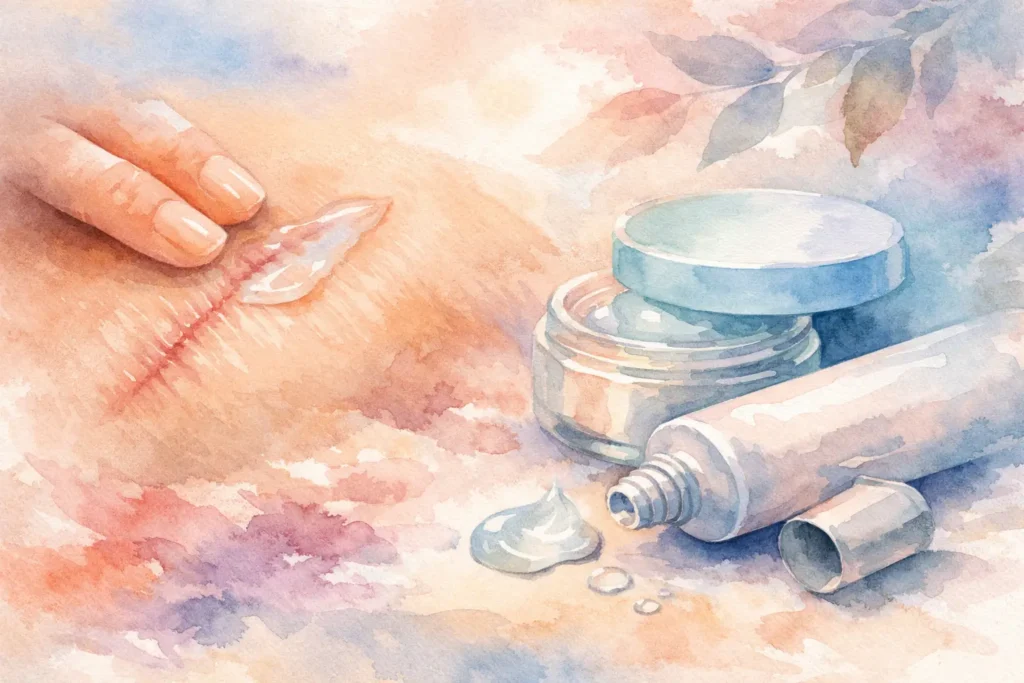
A scar that looks raised, red, tight, or shiny can stay on your mind long after the skin has closed. If you are asking does advanced silicone scar gel work, the short answer is yes – for many scars, silicone gel is one of the most established non-invasive options for improving appearance over time. The real question is not whether it works at all, but which scars respond best, how consistently it is used, and what kind of improvement is realistic.
Does advanced silicone scar gel work for all scar types?
Not equally. That is where many buyers get frustrated.
Advanced silicone scar gel tends to perform best on scars that are raised, thick, red, or still actively remodeling. This often includes surgical scars, C-section scars, injury scars, some burn scars, and certain post-procedure scars. It can also help with some acne scars, but acne scarring is a mixed category. If the scar is indented rather than raised, silicone gel may improve discoloration or texture slightly, but it will not fill in lost tissue.
For flatter, older scars, the effect is usually more modest. The scar may become softer, less noticeable, and more even in color, but it may not disappear. That distinction matters. Serious scar care products are meant to reduce visibility and improve texture, not erase a scar completely.
What silicone scar gel actually does
Silicone has a long track record in scar management because it creates a controlled barrier over the skin. That barrier helps maintain hydration in the outer layer of the scar and supports a more balanced healing environment. In practical terms, this can reduce excess collagen buildup and help the scar mature in a smoother, flatter way.
Users often notice a few core changes first. Redness may fade. Tightness and itching may ease. Raised areas may gradually flatten. The scar can also feel softer and less rigid over time.
That mechanism is simple, but the outcome depends on timing. A fresh scar that has fully closed but is still early in healing usually has more room to improve than a scar that has been stable for years. That does not mean older scars cannot benefit. It means expectations should be calibrated from the start.
Why advanced formulas may perform better
Not all silicone gels are made to the same standard. Purity, consistency, spreadability, drying time, and batch control all affect the user experience and, in some cases, real-world compliance. A product only works when it is applied correctly and regularly.
An advanced silicone scar gel may include a refined silicone blend that dries into a thin, flexible film rather than leaving a heavy residue. That matters for people applying it to visible areas such as the face, neck, arms, or abdomen. If the gel feels greasy, pills under clothing, or takes too long to dry, users are more likely to skip applications.
For that reason, buyers who care about predictable results often look for trusted supply, quality-controlled manufacturing, and verified product consistency. In scar management, dependable formulation is not a marketing extra. It is part of whether the product can be used as directed for weeks or months.
How long does it take to see results?
Usually longer than people want.
Some users notice early changes in comfort, softness, or redness within a few weeks. More visible scar improvement often takes at least 8 to 12 weeks of consistent use. For thicker or more established scars, several months may be needed. This is one of the biggest reasons people assume a scar gel failed when the issue was actually interrupted use or unrealistic timing.
Scar remodeling is slow. Skin does not revise itself on a retail schedule. If you stop and start, apply too little, or use the gel only when you remember, the result is often weaker.
The best outcomes usually come from applying a thin layer on clean, dry skin exactly as directed and continuing without gaps. Consistency is not a small detail. It is the difference between giving silicone a fair trial and never really testing it.
What results are realistic?
A realistic result is improvement, not perfection.
With regular use, many people can expect a scar to look flatter, smoother, and less red or dark than before. Some scars become much less obvious in everyday lighting. Others improve enough that makeup, clothing, or normal skin texture hides them more easily. Symptoms such as itching and discomfort may also improve.
What silicone gel will not do is remove a scar completely, rebuild deep pitted acne scars, or match damaged skin to untouched skin in every case. If a scar is very old, deeply indented, or unusually aggressive, improvement may be limited without additional treatment.
That does not make silicone gel ineffective. It means it is best understood as a first-line, low-risk scar management option with a solid track record, especially when started at the right time.
When silicone scar gel works best
Timing and scar behavior matter more than hype.
Silicone gel often performs best once the wound has fully closed and there is no open skin, drainage, or active infection. Starting during the scar maturation phase can help guide healing before the scar becomes more established. This is one reason it is commonly used after surgery and minor procedures once a clinician says the area is ready.
It is especially useful for people prone to raised or hypertrophic scars. If your skin tends to form thick, noticeable scars after cuts, burns, or surgery, early silicone use may be worth taking seriously.
For older scars, the benefit is still possible, but patience is required. The change may be gradual and less dramatic. Even then, a scar that becomes less raised, less stiff, and less discolored can still be a worthwhile improvement.
Does advanced silicone scar gel work better than creams or oils?
In many cases, yes.
Standard moisturizers, vitamin oils, and general skin creams may help dryness and improve how skin feels, but they do not have the same level of clinical support in scar management as medical-grade silicone. Oils can make a scar look temporarily better by adding shine or softness, yet that is not the same as influencing scar formation.
Silicone is different because it is used specifically to manage the scar environment. That is why it is commonly recommended in both consumer and professional settings. For buyers who want a scar-focused product rather than a cosmetic moisturizer, silicone gel is usually the more credible choice.
That said, there are trade-offs. Gel requires disciplined use. Some people prefer silicone sheets for larger areas, while others prefer gel because it is easier to apply on the face, joints, or uneven skin. The best format is often the one you will actually use every day.
Common reasons people think it does not work
Most disappointing results come down to one of four issues. The scar was the wrong type, the product was started too late, the application was inconsistent, or expectations were too aggressive.
Another problem is sourcing. Buyers sometimes overlook the importance of obtaining scar care products from a trusted seller with reliable inventory and quality assurance standards. If a product is poorly stored, questionable in origin, or inconsistent from batch to batch, confidence drops quickly. When you are applying something to healing skin, authenticity and controlled quality matter.
That is why serious buyers, including clinics and repeat purchasers, often prioritize verified supply, secure checkout, and dependable fulfillment instead of shopping based on price alone.
Who should consider using it?
If you have a closed surgical scar, a healing burn mark, a raised injury scar, or a noticeable post-acne mark that is still changing, advanced silicone scar gel is worth considering. It is a practical option for people who want non-invasive scar support without stepping immediately into in-office procedures.
It also makes sense for buyers who want a treatment with a known role in scar care rather than a trend-driven cosmetic product. A quality silicone gel offers a straightforward value proposition: controlled formulation, simple application, and visible improvement potential when used consistently.
For those seeking a trusted source, products such as Dermatix Ultra are often chosen because buyers want more than a generic listing. They want controlled quality, dependable supply, and the confidence that comes with a specialized scar management product.
The bottom line on does advanced silicone scar gel work
Yes, advanced silicone scar gel can work, especially for raised, red, or newer scars that are still remodeling. Its value is not in dramatic overnight change. Its value is in steady, measurable improvement when the product is authentic, the formulation is consistent, and the user applies it as directed over time.
If you are choosing scar care for yourself, a patient, or a repeat-purchase setting, the smartest approach is to think in terms of reliability. Reliable formulation. Reliable sourcing. Reliable use. That is usually where better scar outcomes begin.