
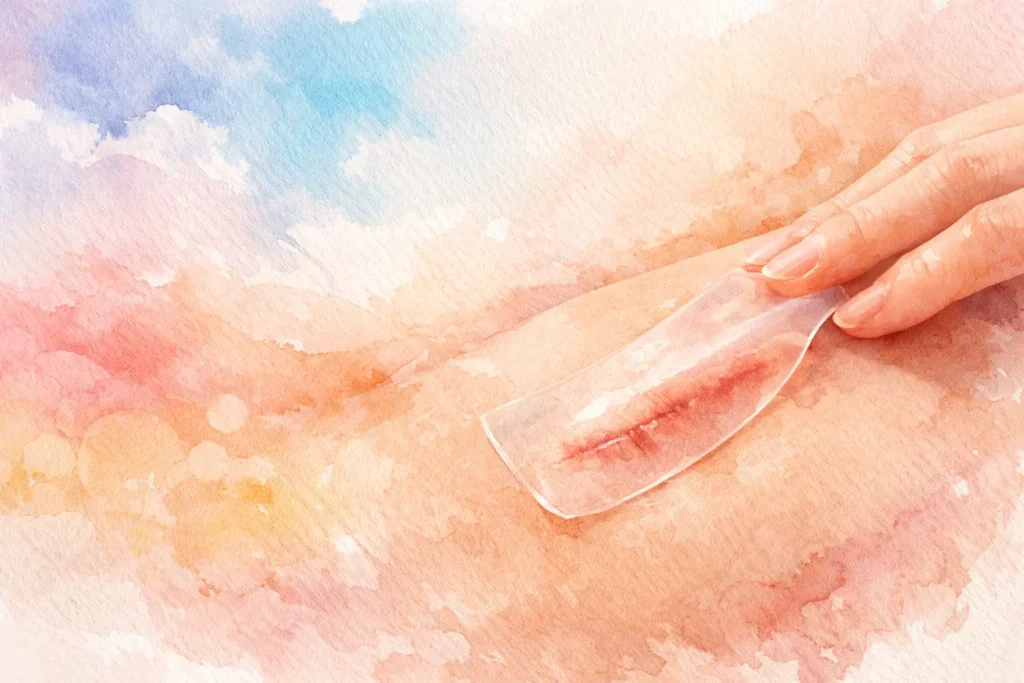
A scar can heal closed and still stay red, raised, tight, or obvious for months. That is usually the point when people start asking, how does silicone reduce scars, and whether it actually makes a visible difference. The short answer is yes – silicone is widely used because it helps create the skin conditions that support a flatter, softer, less noticeable scar over time.
How does silicone reduce scars in real terms?
Silicone does not erase a scar or force skin back to its original state. What it does is manage the environment on top of the scar while the tissue is remodeling. That matters because scars do not stop changing the day the wound closes. In many cases, they continue to mature for months, and sometimes longer.
When silicone gel is applied correctly, it forms a thin, flexible, semi-occlusive layer over the skin. That layer helps reduce excessive water loss from the scar surface. Once hydration is better balanced, the scar tissue often becomes less reactive. This is one reason silicone is associated with scars that look flatter and feel softer.
There is also a mechanical side to it. A well-formed silicone film can protect the scar from minor friction and external irritation. That does not sound dramatic, but daily rubbing from clothing, movement, or dry skin can keep a scar looking more inflamed than it needs to be. Silicone helps stabilize that surface.
For many users, the visible benefits show up gradually. Redness may calm down first. Texture may improve next. Height and firmness often take longer. That timeline can vary depending on the scar type, the age of the scar, and how consistent the application is.
What silicone is actually doing at the skin level
The most useful way to think about silicone is not as a medicine that penetrates deeply and changes tissue from the inside out. It works more through controlled surface management. That is exactly why silicone gel has become a standard recommendation for many post-surgical scars, burn scars, and other raised or thickened scars.
It supports hydration balance
Scar tissue tends to have a weaker barrier function than normal skin. That means it can lose moisture more easily. When the surface dries out, the skin may respond with more irritation, itching, and uneven remodeling. Silicone helps reduce transepidermal water loss, which is a technical way of saying it helps the skin hold onto moisture.
Better hydration can improve flexibility and reduce the tight, dry feeling common with healing scars. It may also help limit the signaling that contributes to excess collagen buildup in some raised scars.
It helps regulate collagen behavior
Scars are largely about collagen. During healing, the body lays down new collagen to repair damaged tissue. That is necessary, but sometimes the response is excessive or disorganized, which can lead to thicker, raised scars.
Silicone does not stop healing. Instead, by maintaining a more stable microenvironment, it may help the remodeling process proceed in a more controlled way. This is why silicone is often used for hypertrophic scars, which are scars that stay raised within the boundaries of the original wound.
It reduces surface irritation
A healing scar is sensitive. Friction, dryness, and environmental exposure can keep it active and uncomfortable. Silicone forms a lightweight protective barrier, which can reduce that constant low-level irritation. Less irritation often means less redness, less itch, and a better chance for the scar to mature with a smoother finish.
Which scars respond best to silicone?
Silicone is most often used for newer scars, especially after the wound has fully closed. Surgical scars are one of the most common examples because they are predictable, linear, and easy to treat early. Burn scars can also respond well, particularly when there is a risk of thickened or raised healing.
It can also be useful for some acne scars, but this is where expectations need to stay realistic. Silicone works best on scars that are raised, red, firm, or immature. It is less effective for indented acne scars because those involve tissue loss rather than excess scar buildup.
Older scars may still improve, especially in texture and softness, but the process is usually slower and the degree of change may be more limited. If a scar has already matured over a long period, silicone can still be worth trying, but it should not be treated as an instant fix.
Silicone gel versus other scar options
Not every scar product works the same way, and not every product has the same quality control behind it. Creams with vitamins, botanical extracts, or oils are often marketed aggressively, but many do not have the same level of clinical support as medical-grade silicone.
Silicone stands out because its mechanism is straightforward and repeatable. It creates a controlled film over the scar. There is less guesswork. For buyers who care about consistency, batch reliability, and verified quality, that matters.
Silicone gel also has practical advantages over silicone sheets for some users. Gels are easier to apply on visible areas like the face, joints, or irregular surfaces. They dry into a thin layer and can be more convenient for daily wear. Sheets may work well too, but they are not always as easy to keep in place, especially on active areas of the body.
How to use silicone for the best chance of improvement
This is where results are often won or lost. Silicone helps most when it is used consistently over time. Applying it once in a while and expecting major change is not realistic.
The scar should be fully closed before application begins. If there is any open skin, drainage, or active infection, the area needs proper medical evaluation first. Once the skin surface is intact, a thin layer of silicone gel is usually enough. More product does not mean faster results. In fact, too much can leave the area tacky and make regular use less practical.
Most people need to apply silicone daily for at least several weeks before they notice clear improvement. More visible changes often take two to three months, and some scars benefit from even longer use. This is especially true for scars that are raised, darker in color, or under tension from movement.
Consistency matters more than intensity. A verified silicone gel used as directed, with reliable formulation and stable batch quality, is generally a better choice than switching between multiple unproven scar products.
Why quality matters with silicone scar products
If you are applying a product to healing skin, sourcing is not a minor detail. Purity, manufacturing standards, and batch consistency all affect confidence in use. That is just as relevant for an individual buyer managing a surgical scar as it is for clinics, resellers, and professional purchasers buying repeat stock.
A reliable silicone scar gel should offer consistent texture, dependable drying behavior, and stable application from one tube to the next. Verified supply and controlled handling matter because users are not just buying a cosmetic item. They are buying a product intended for scar management, often during a sensitive stage of healing.
This is why many buyers prefer specialized suppliers over generic marketplace listings. A trusted source with secure checkout, discreet shipping, and quality-focused product standards reduces uncertainty. For customers seeking a professional-grade option, Dermatix Ultra is one example of a silicone-based scar gel line commonly chosen for daily scar management.
What silicone can and cannot do
Silicone can improve the appearance of many scars. It can help them look flatter, softer, smoother, and less red. It can also reduce itching and tightness, which makes the scar easier to live with while it matures.
What it cannot do is remove a scar completely. It also may not correct deep texture loss, severe contracture, or longstanding keloids on its own. Some scars need a broader treatment plan. That may include pressure therapy, injections, laser treatment, or follow-up care from a physician.
That does not make silicone less valuable. It means the right expectation is improvement, not perfection. In scar management, that distinction matters.
If you want the best chance at a better-looking scar, start early once the skin has closed, use silicone consistently, and choose a verified product from a dependable source. Scar remodeling takes time, but the right surface care can make that time work more in your favor.